Jack Treml
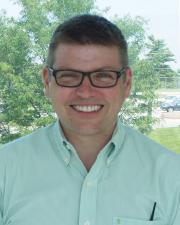
- Associate Professor of the Practice, Director of Research, School of Professional Studies
Contact Info
Biography —
Dr. Treml is an Associate Professor of Practice in Biotechnology and Director of Research for the School of Professional Studies at the University of Kansas Edwards Campus. He has more than fifteen years of experience teaching the life sciences and over a decade of professional experience spanning biotechnology research, industry, intellectual property, and undergraduate research mentorship.
Treml earned his Ph.D. in Immunology from the University of Pennsylvania in 2010, where he conducted research in the Cancro Laboratory studying molecular pathways that regulate humoral immunity in murine B cells. Prior to his doctoral work, he conducted research at the University of Pennsylvania and at Medarex, Inc., contributing to the development of monoclonal antibody therapies and dendritic cell–targeting platforms for antibody-directed immunotherapies. His work also included the design and study of DNA- and live-vector–based vaccines using Listeria monocytogenes and protein fusion constructs in murine disease models.
Following his graduate training, Treml worked as a patent analyst at Hovey Williams LLP, specializing in biotechnology patent prosecution. He later returned to academia and joined the University of Kansas, where he helped design and develop the biotechnology curriculum at the Edwards Campus.
At KU, Treml leads undergraduate research initiatives within the School of Professional Studies and founded the Midwestern Journal of Undergraduate Sciences, an interdisciplinary journal dedicated to publishing undergraduate research. He also organizes programs that promote scientific engagement and community outreach, including the SciFlix science-in-film series, Biotech Day, the Undergraduate Research Conference, and Hawk Talks, a multidisciplinary research conference at the Edwards Campus.
His teaching and program development focus on biotechnology training, undergraduate research mentorship, and connecting science with the broader community through interdisciplinary engagement.